Building Training Load for the Canberra Times Marathon Festival
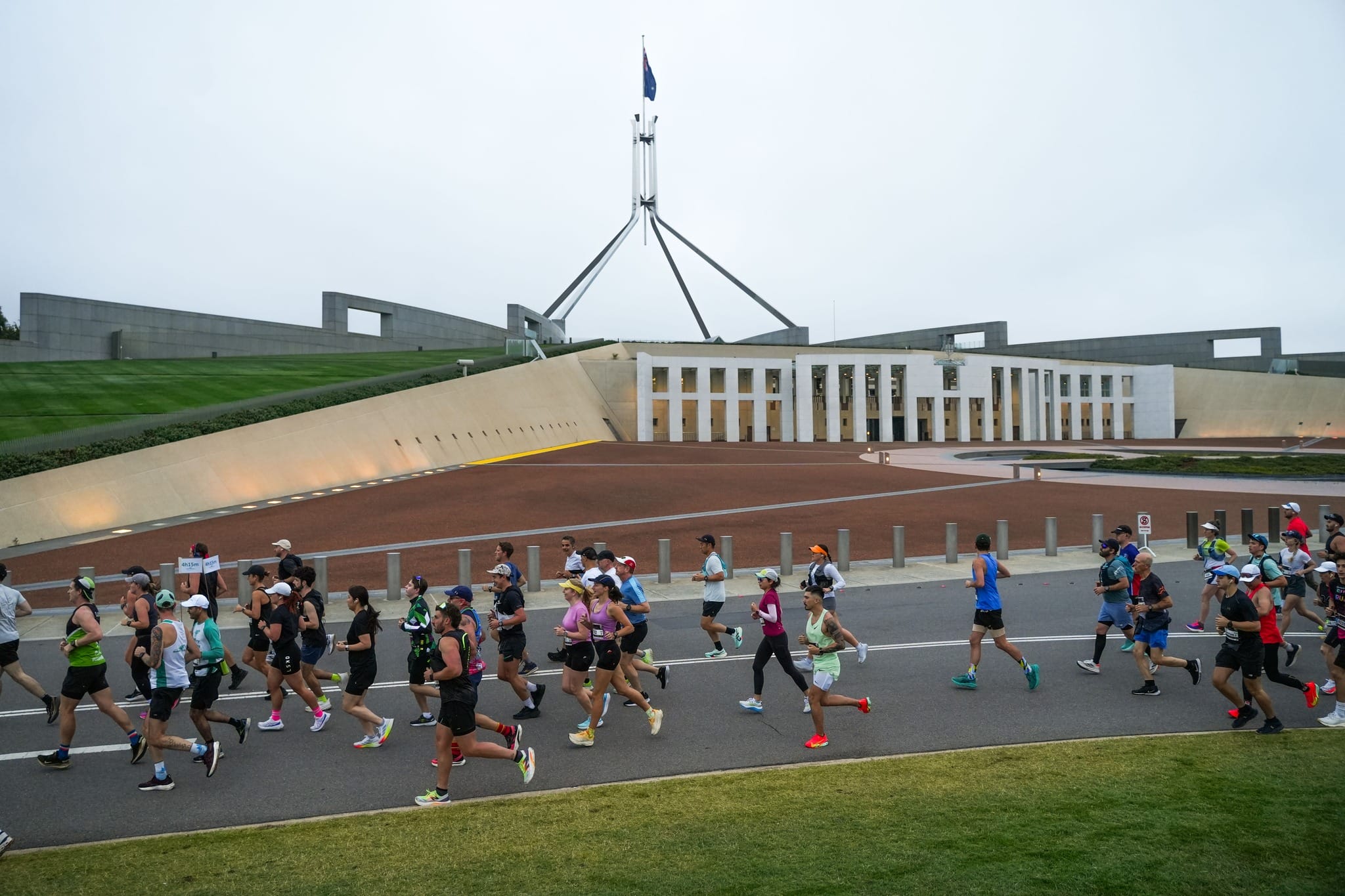
Whether you are chasing a personal best or stepping up to a new distance at the Canberra Times Marathon Festival, how you build your training load will make or break your preparation.
One of the most common mistakes we see is runners increasing kilometres or intensity too quickly. Early in a training block motivation is high, fitness is improving, and everything feels manageable. The challenge is that your cardiovascular system adapts faster than your tendons, bones and connective tissue. That gap is where overuse injuries often occur.
Achilles pain, plantar fasciitis, shin soreness and bone stress reactions rarely happen overnight. They tend to build gradually when training load exceeds what your body can tolerate.
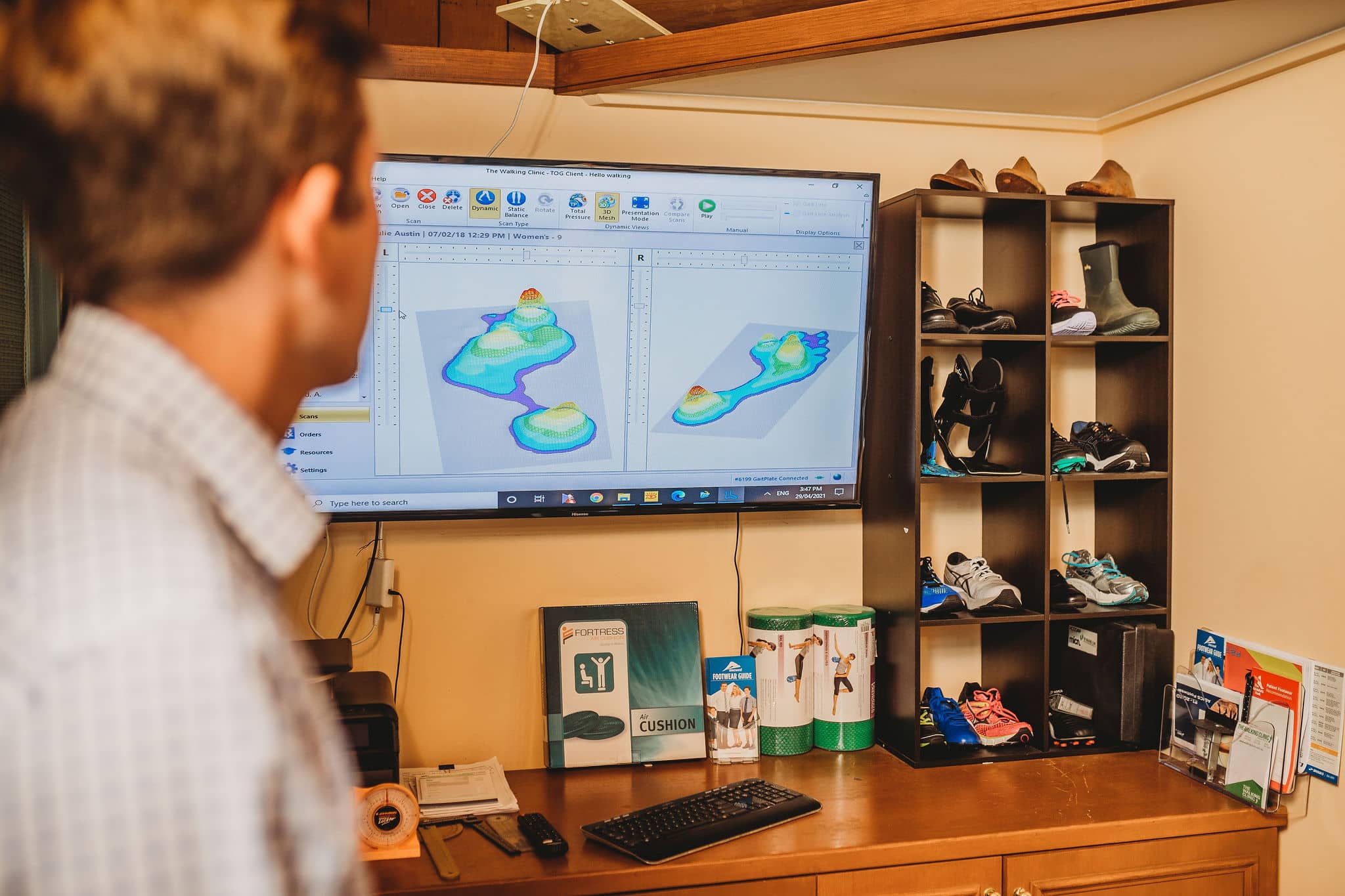
At The Walking Clinic, we look at how your feet and lower limbs handle load. Your biomechanics, strength, running history and any previous injuries all influence how quickly you should progress. There is no one-size-fits-all formula.
Foot and ankle strength also plays a significant role, particularly as mileage increases. Your feet absorb and generate force thousands of times in a single run. If they are not strong enough to cope, other areas often compensate.
Targeted strengthening for the feet and calves can improve stability, increase capacity and help your body manage higher training volumes. It does not need to be complex, but it does need to be specific to you and done consistently.
Footwear is another factor that is often overlooked. Shoes are not simply about comfort, they influence how load is distributed through your feet and lower legs. Rotating between different pairs during the week can reduce repetitive stress and allow your body to adapt to different session demands, whether that is a long run, intervals or race-pace work.
We regularly help runners choose footwear based on how they move, rather than what is popular at the time.
It is also important not to ignore persistent niggles. Some muscle soreness is normal during a heavy block, but ongoing or worsening pain is a signal that something needs adjusting. Early intervention might involve minor load modification, taping, strength adjustments or footwear changes. Addressing issues early can often prevent weeks away from training.
If you are building towards this year’s event, the team at The Walking Clinic is here to help you train smart, stay consistent and give yourself the best chance of reaching the start line feeling strong and ready to run your best.