First Marathon or Half Marathon? Start With Your Feet
Signing up for your first half marathon or marathon is a big moment. Equal parts exciting and slightly terrifying.
Most first-timers jump straight into training plans and goals, but very few think about the thing that actually carries them the entire way: their feet.
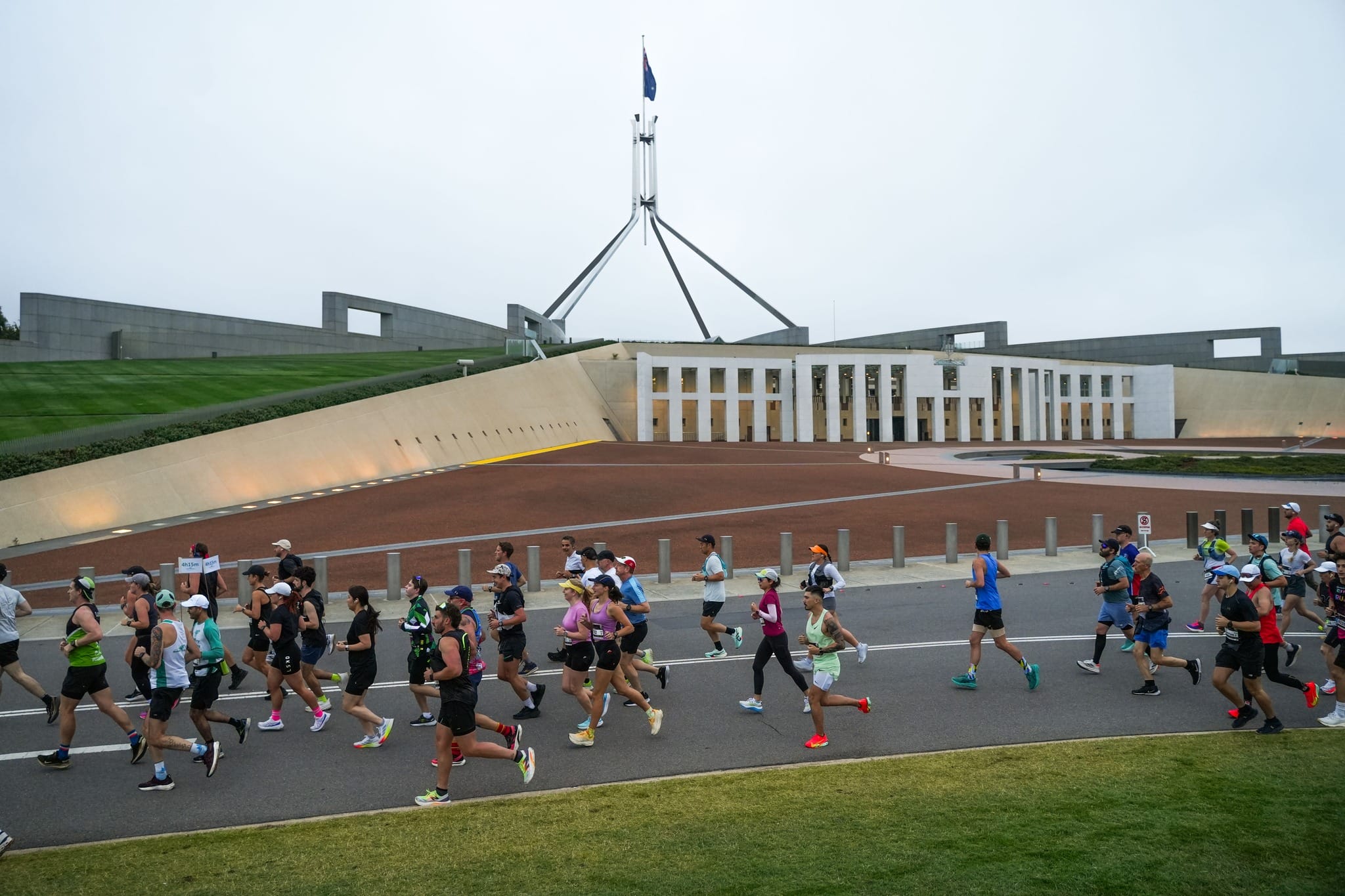
As a long-time official partner of the Canberra Times Marathon Festival, our podiatry team at The Walking Clinic works with runners every year to help them get to the start line feeling strong, prepared and injury-free.
Here’s what we want first-time runners to know.
Understand your feet
No two runners move the same way.
Your foot posture, ankle mobility, strength, running style and injury history all influence how your body handles training. Small biomechanical issues that feel insignificant early on can become very noticeable once the kilometres add up.
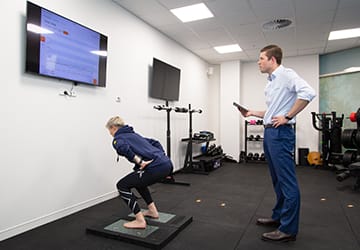
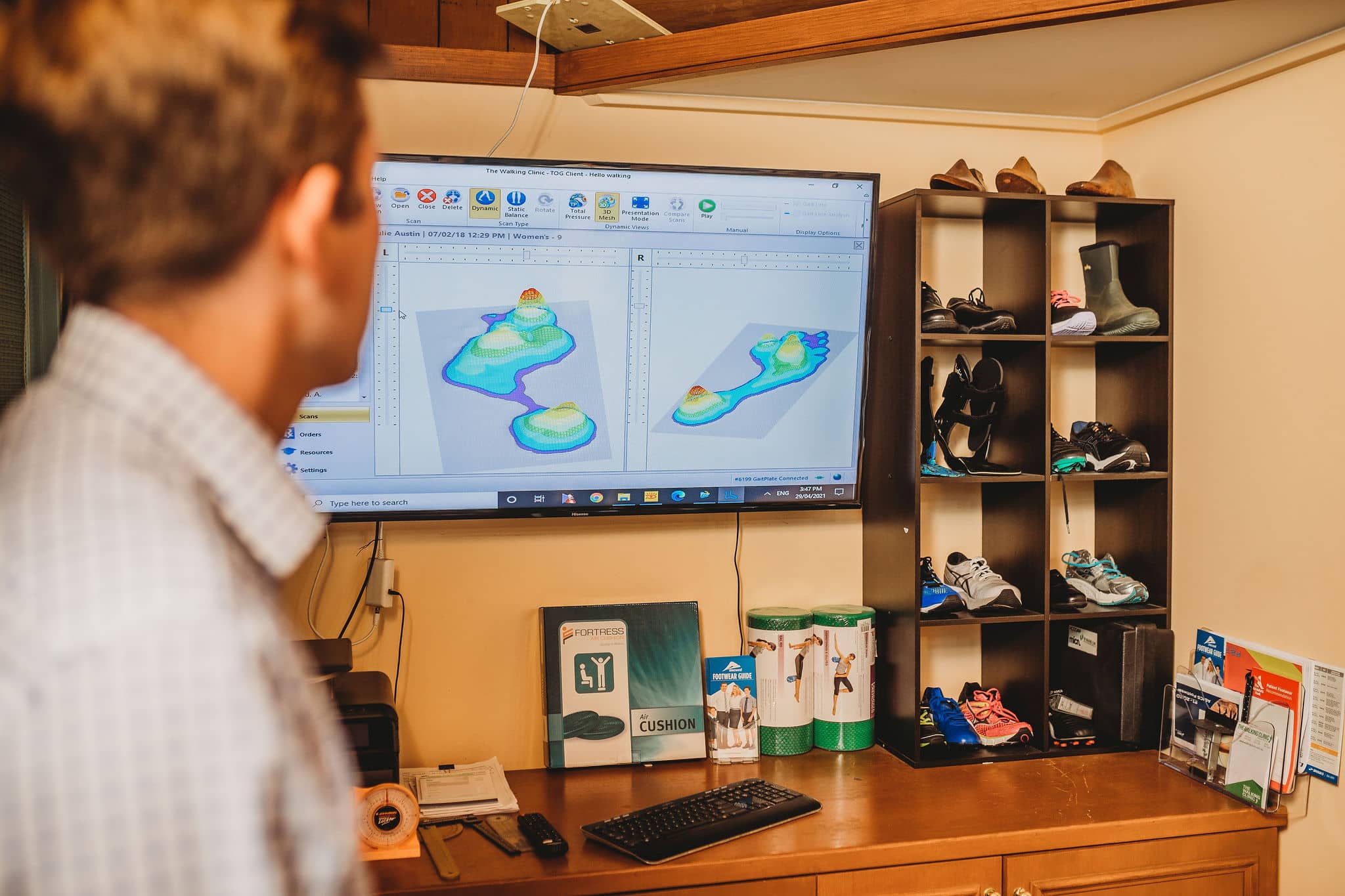
A podiatry assessment early in your training can identify risk factors. The goal is not to change how you run – it is to help your body cope with the load you are about to ask of it. Train smarter, not just harder.
The right shoes matter
The “best” running shoe is not the most expensive one. It is the one that suits your foot and the way you move.
We regularly see runners in shoes that are popular but not appropriate for their structure or training volume. Sometimes a small change in model, or rotating between two pairs, can significantly reduce stress on the feet and lower legs as mileage builds.
The right shoe should feel supportive, comfortable and stable from the first run.
Manage load
Plantar fasciitis. Achilles irritation. Shin pain. Stress reactions. These often come down to training load increasing faster than your tissues can adapt.
Podiatry support is not just about treating pain. It can include
- Strength programs for the feet and calves
- Mobility work
- Taping strategies during higher load phases
- Orthotic therapy where appropriate
- Guidance on pacing your training progression
The aim is resilience – so your body keeps up with your ambition.
Do not push through persistent pain
A little muscle soreness is normal. Sharp, localised or worsening pain is not.
Morning heel pain. Achilles stiffness that does not warm up. Pain that changes your stride. These are early warning signs.The earlier you address a niggle, the easier it is to fix. Waiting usually means more downtime.
Prioritising foot health from the beginning gives you the best chance of standing on the start line confident – and crossing the finish line smiling.
If you are training for your first half marathon or marathon in 2026, our team at The Walking Clinic is here to support you every step of the way.