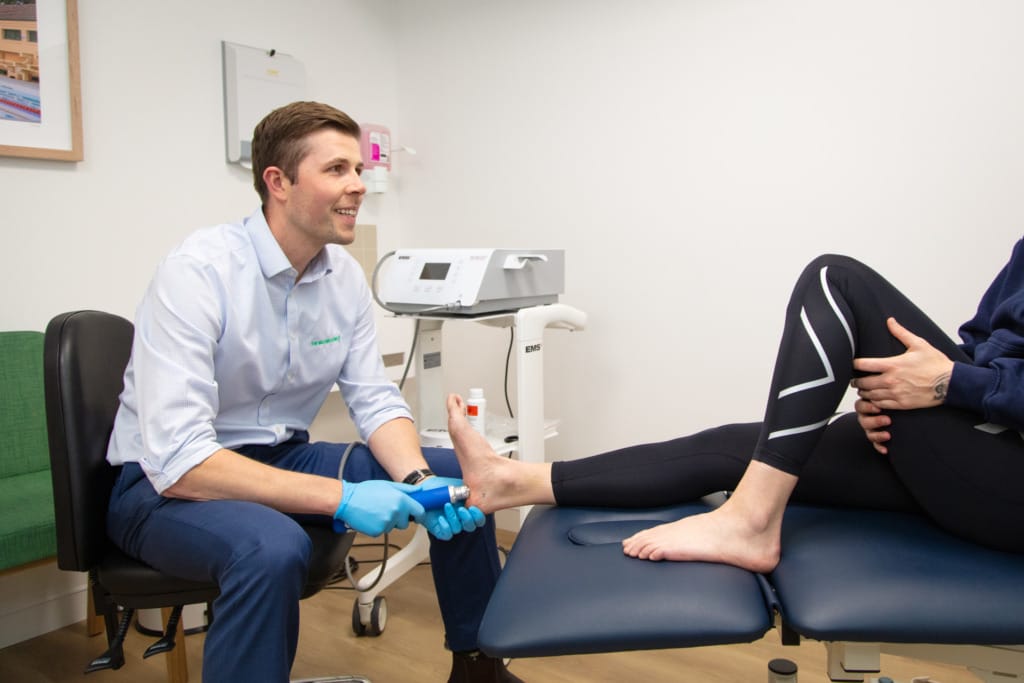
“Winter Sport Ready: Prevent Injuries, Perform All Season”
Seasonal insight:
Winter sports = harder grounds, increased training loads, spikes/stops/changes of direction, cold muscles → higher risk of foot, ankle, knee and lower-limb injuries.
Winter sport in Australia means footy, netball, soccer, rugby and high-intensity training, often on cold mornings and harder or wetter grounds. While the competition heats up, injury risk rises sharply during winter — particularly for the feet, ankles, shins and calves.
Here’s what our team of podiatrists at The Walking Clinic commonly see during winter sport seasons, why these injuries happen, and how you can reduce your risk and stay game-ready.
Why Are Winter Sports Harder on the Body?
Winter sport creates a perfect storm for injury:
- Cold muscles = reduced flexibility and slower reaction time
- Hard or slippery grounds increase impact and instability
- Spikes and boots change how forces travel through the foot and leg
- Rapid increases in training and match intensity
- Less emphasis on warm-up during cold conditions
This combination places extra stress on the foot–ankle–knee chain, where many winter injuries begin.
Top 5 Winter Sport Injuries Sports Podiatrists See
We have compiled a list of the most common winter sporting injuries we see and manage at our clinics including why it is important to manage these properly to get back out competing and prevent longer term complications:
1. Ankle Sprains
Common in: Netball, AFL, soccer, rugby
Sudden changes of direction, jumping, and uneven surfaces make ankle sprains one of the most common early-season injuries.
Warning signs:
- Repeated “rolling” of the ankle
- Swelling after training or games
- Feeling unstable or hesitant on change of direction
Why it matters:
Returning too soon increases the risk of chronic ankle instability and repeat injuries.
2. Plantar Fasciitis & Heel Pain
Common in: Field sports and dynamic athletes
Harder winter surfaces and increased training loads place more strain on the plantar fascia. Boots with lower heel pitch, cushioning and support can result in increased risk of heel pain developing.
Warning signs:
- Heel pain first thing in the morning
- Pain that eases during activity but returns after
- Tight calves alongside foot pain
3. Achilles Tendinopathy
Common in: Football codes, runners, gym-goers
Cold weather reduces tendon elasticity, while, reduced heel pitch in boots, spikes and sprinting increase Achilles load.
Warning signs:
- Stiffness at the back of the ankle before training
- Pain during push-off or sprinting
- Tenderness or thickening of the tendon
4. Shin Pain & Stress Reactions
Common in: Pre-season and early competition phases
Sudden increases in training, combined with firmer surfaces and poor footwear support, can overload the lower leg.
Warning signs:
- Localised shin pain that worsens with activity
- Pain lingering after training
- Reduced performance due to discomfort
Ignoring shin pain can progress to stress fractures if not managed early.
5. Knee Pain Linked to Foot Mechanics
Common in: Netball and field sports
Poor foot control, worn footwear or unstable boots can affect knee tracking.
Warning signs:
- Pain going up/down stairs
- Knee pain during squatting or landing
- Pain after training rather than during
Often, the issue starts below the knee.
Common Winter Sport Footwear Mistakes
Many injuries stem from footwear choices that don’t match winter conditions.
The most common mistakes include:
- Wearing last season’s boots with compressed midsoles
- Incorrect stud length for wet vs hard grounds
- No transition period when moving into spikes
- Using runners or trainers for sport-specific training
Footwear should match your sport, position, surface and body mechanics — not just brand or comfort.