One of the biggest mistakes athletes make is returning based on pain alone.
Common errors:
- Skipping rehab once pain settles
- Returning to matches before restoring strength and control
- Ignoring confidence and movement quality
- Not reassessing footwear or orthotics post-injury
“It feels okay” does not always mean you’re match-ready.
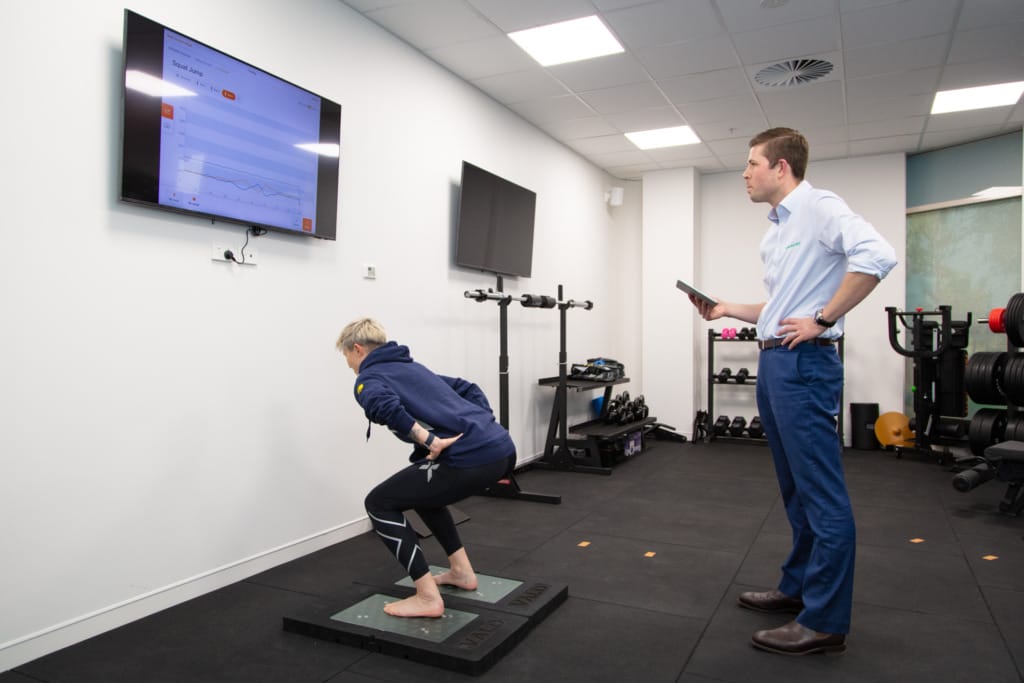
A proper return-to-play plan should include:
- Full strength restoration
- Controlled change-of-direction ability
- Confidence in the injured area
- Load progression back to competition intensity
How to Reduce Injury Risk This Winter
1. Warm Up Properly (Especially in Cold Weather)
Focus on:
- Foot and ankle mobility
- Calf and lower leg activation
- Gradual intensity build-up
2. Look After Your Recovery
- Foam rolling calves and plantar fascia
- Stretching post-training
- Managing total weekly load
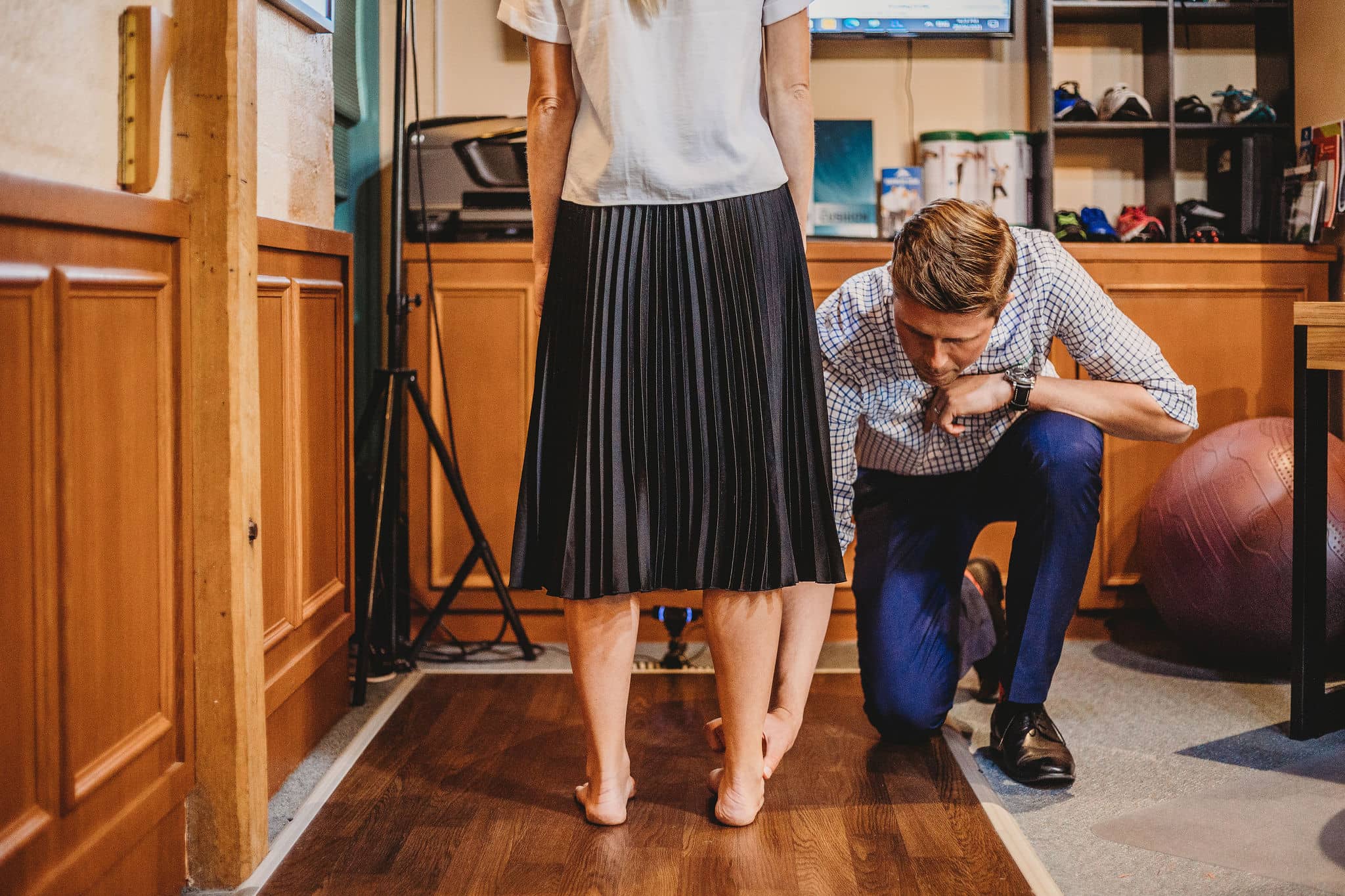
3. Get Your Foot Mechanics Checked
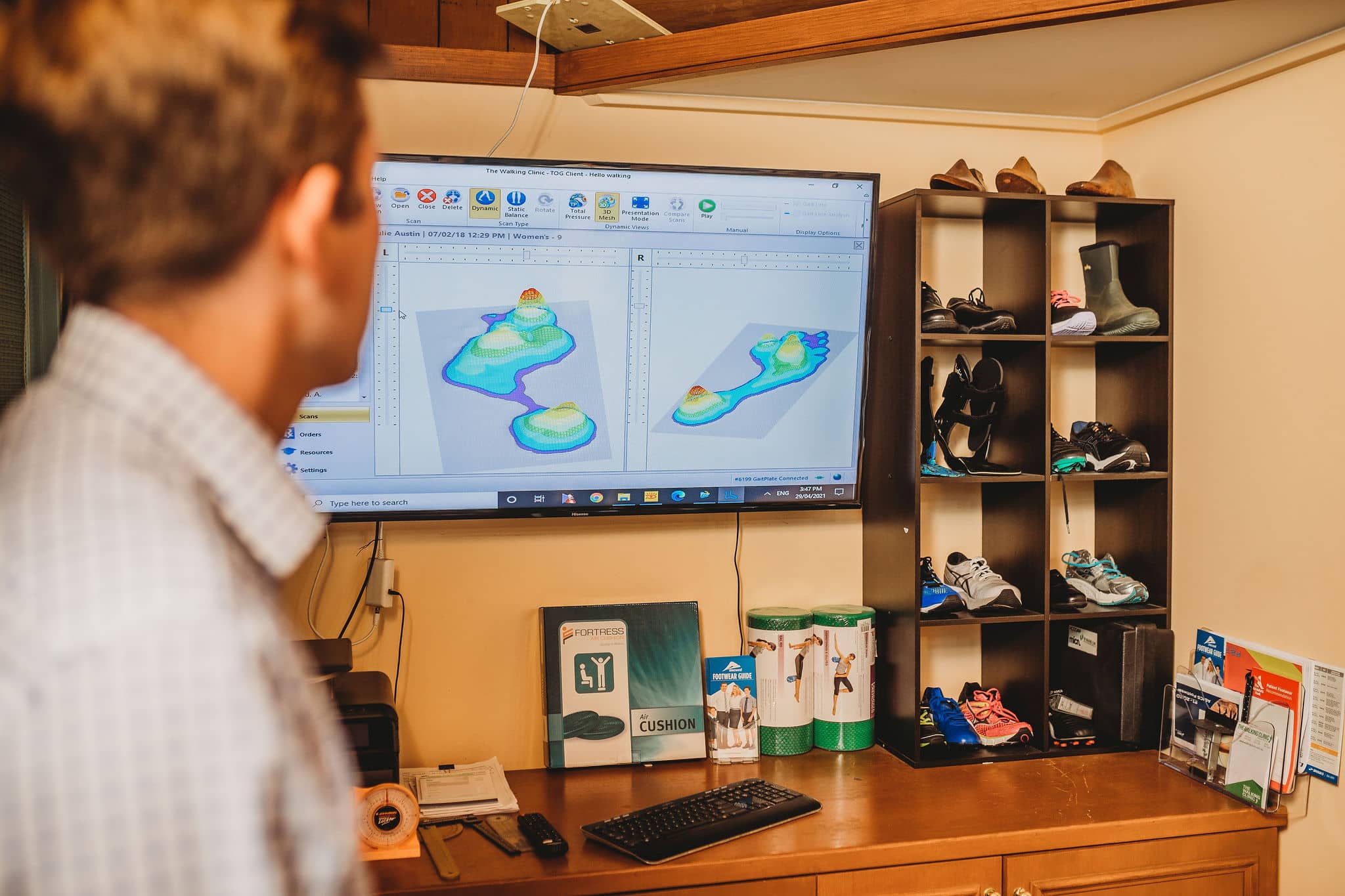
A sports podiatry assessment can identify:
- Hidden instability
- Hidden instability
- Footwear or orthotic issues
- Early injury risk before symptoms escalate
When Should You See a Sports Podiatrist?
Book a review if you:
- Have recurring pain during or after sport
- Are returning from an injury
- Feel unstable, tight or hesitant when playing
- Haven’t reviewed your boots or orthotics this season
Stay Game-Ready This Winter
Winter sport injuries often start small — and escalate quickly when ignored. Early assessment, correct footwear, and proper load management can be the difference between a full season and weeks on the sidelines.
Book a winter sports podiatry check before injuries sideline your season.